
McGill University Health Centre McGill University

Archive

The MCH’s Department of Pediatrics’ Continuing Professional Development presents:

Practical Problems in Pediatrics 2025

February 5–7, 2025

February 5–6, 2025 · Palais des congrès

In-person event

Infectious Diseases in Pediatrics

February 7, 2025 · Virtual

Agenda – Wednesday, February 5, 2025

All presentations will be given in English unless otherwise specified. Participants can however ask their questions in English and French.

At the conclusion of this course, participants will be able to:

  • appropriately treat common pediatric problems seen every day in the office or more complex diseases with low frequency but potential morbidity;
  • integrate important advances in pediatric care into their daily practice;
  • assess when to refer a patient to a pediatric specialist for ongoing investigations and management.

Schedule

  1. –

    Registration and Continental Breakfast

  2. –

    Introduction to the Program

  3. –

    Why is my Kid Always Sick? - An Approach to Office Immunology

    Christine McCusker

    Division Director, Allergy, Immunology, Dermatology, Clinician Scientist, Montreal Children's Hospital, MUHC RI, Montreal, QC

    At the end of this session, participants will be able to:

    1. Recognize relevant red flags suggestive of primary immunodeficiencies.
    2. Develop an approach to preliminary immune work-up in the office setting.
    3. Effectively counsel families regarding appropriate subspecialty referral.
  4. –

    Quick Quiz #1

  5. –

    Not a Blast! - Concussion Management

    Christine Beaulieu

    Head Physiotherapist, Trauma, Montreal Children's Hospital, McGill University Health Center, Montreal, QC

    Not a Blast! - Concussion Management

    Lisa Grilli

    Lead Trauma Coordinator, Research Program and mTBI Clinic, Montreal Children's Hospital, McGill University Health Center, Montreal, QC

    At the end of this session, participants will be able to:

    1. Diagnose concussion in the office setting.
    2. Identify red flags that warrant orientation to the pediatric emergency department.
    3. Counsel effectively on return to physical and cognitive activities.
  6. –

    Quick Quiz #2

  7. –

    Gut Health and Nutrition - Which Trends Work

    Ana Sant’Anna

    Pediatric Gastroenterologist, Division of Gastroenterology and Nutrition, Montreal Children's Hospital, MUHC, Montreal, QC

    At the end of this session, participants will be able to:

    1. Identify the known elements contributing to a healthy gut.
    2. Differentiate common popular trends related to nutrition.
    3. Effectively counsel patients and families on evidence-based practices for optimization of gut health.
  8. –

    Quick Quiz #3

  9. –

    Coffee Break and Visit the Exhibitors

  10. –

    Sickle Cell Anemia – Cutting Through the Chaff of Carriers and Disease

    Surabhi Rawal

    Pediatric Hematologist/Oncologist, Montreal Children's Hospital, Montreal, QC

    Vanessa Di Schiavi

    Pediatric Nurse Practitioner (PNP), Hematology-Oncology, Montreal Children's Hospital, Montreal, QC

    At the end of this session, participants will be able to:

    1. Understand the specifics of the Quebec Newborn Screening program.
    2. Counsel families of children who are carriers of sickle cell anemia or related hemoglobinopathy.
    3. Understand the goals of outpatient longitudinal follow-up of children with sickle cell anemia (infection prevention, acute crisis prevention, health supervision, etc).
  11. –

    Quick Quiz #4

  12. –

    Revealing the Down-Low on Pediatric Hypertension

    James Johnston

    Pediatrician, Northern and Indigenous Child Health Program, Montreal Children’s Hospital, Montreal, QC

    At the end of this session, participants will be able to:

    1. Identify hypertension in the pediatric population.
    2. Distinguish primary from secondary causes of hypertension.
    3. Initiate management and refer appropriately to Pediatric Nephrology.
  13. –

    Quick Quiz #5

  14. –

    Lunch Service

  15. –

    Lunch Plenary: RSV

    Jesse Papenburg

    Associate Professor, Department of Pediatrics and Associate Member, Department of Epidemiology, Biostatistics and Occupational Health, Faculty of Medicine, McGill University, Montreal, QC

    At the end of this session, participants will be able to:

    1. Provide an update on the epidemiology of pediatric RSV in Quebec and Canada.
    2. Discuss considerations related to different novel RSV preventive strategies available for Quebec infants and young children, i.e., long-acting monoclonal antibody immunoprophylaxis and vaccination during pregnancy.
  16. –

    WORKSHOPS (repeated twice)

  17. –

    Technology Pot-pourri: G-tubes, PICCs and foleys, bring it on!

    Sara Long-Gagné

    Director of I-CCAN, Montreal Children's Hospital, Montreal, QC

    Laurie Cleophat

    Pediatric Nurse Practitioner, I-CCAN service, Montreal Children's hospital, Montréal, QC

    Geneviève Normand

    Complex care fellow, Montreal Children's hospital, Montréal, QC

    At the end of this session, participants will be able to:

    1. Understand basics and troubleshoot the use and care of commonly used technical assist devices in the community.
    2. Answer frequently asked questions that families may have around their child's technical assist devices.
    3. Identify resources to facilitate and support the safe and effective delivery of evidence-informed complex care at home.
  18. –

    Lessons in Youth Protection - Case Reviews

    Gillian Morantz

    Assistant Professor, Department of Pediatrics, Faculty of Medicine and Health Sciences, McGill University, Montreal, QC

    Eleni Parigoris

    Social Worker, Montreal Children's hospital, Montréal, QC

    At the end of this session, participants will be able to:

    1. Understand in depth the Youth Protection Act in Quebec.
    2. Understand how to access and navigate the Youth Protection System.
    3. Apply principles of child protection in case scenarios.
  19. –

    New Lease on Life: Updates in Cystic Fibrosis

    Zofia Zysman-Colman

    Pediatric Respirologist, Department of Pediatrics, Division of Respiratory Medicine, Montreal Children's Hospital, Montreal, QC

    At the end of this session, participants will be able to:

    1. Recognize the pathophysiology and clinical presentations for cystic fibrosis.
    2. Review significant breakthroughs and updates on cystic fibrosis management.
    3. Integrate principles of cystic fibrosis care into primary care practice.
  20. –

    Connection - Empathy for Improved Patient Care

    Jessica Djeredjian

    Centre Pédiatrique Lumi, Montreal, QC

    At the end of this session, participants will be able to:

    1. Understand and recognize empathy and its neuroscience.
    2. Understand the evidence-based impact of empathy in clinical practice.
    3. Effectively apply empathetical principles to the pediatric office.
  21. –

    Sports Injuries: Get Back in the Game

    Jérôme Ouellet

    Pediatrician, Specialist in Pediatric Sports Medicine and Clinical Instructor, University of Montreal and McGill University, Montreal, QC

    At the end of this session, participants will be able to:

    1. Identify common sports-related injuries seen in primary care practice and their outcomes.
    2. Develop relevant physical examination skills and know when to order appropriate imaging tests for these injuries.
    3. Recognize when and how to involve subspecialty and/or allied health services.
    4. Guide an athlete on returning to play after these common injuries.
  22. –

    Explaining Chronic Pain to Kids and Parents: A Key Element to Treatment and Healing

    Gonzalo Rivera

    Anesthesiologist and Director of the Pain Centre, McGill University Health Centre, Montreal, QC

    Rebecca Pitt

    Edwards Family Interdisciplinary Centre for Complex Pain, McGill Ingram School of Nursing, Montreal, QC

    Arielle Sadaka

    Physiotherapist, Montreal Children's Hospital, McGill University Health Center, Montreal, QC

    At the end of this session, participants will be able to.

    1. Understand the pathophysiology of complex pain.
    2. Recognize the multi-faceted nature of complex pain management.
    3. Develop effective history-taking techniques in the primary care setting for accurate diagnosis and initiate referral when required.
  23. –

    Repeat of 13:30-14:30 Workshops

  24. –

    Coffee Break

  25. –

    Repeat of 13:30-14:30 Workshops

Agenda – Thursday, February 6, 2025

All presentations will be given in English unless otherwise specified. Participants can however submit their questions in English and French.

Schedule

  1. –

    Arrivals and Continental Breakfast

  2. –

    WELCOME TO DAY 2

  3. –

    Adolescent Sexual Health: Guide to Contraception, Screening and More

    Giosi DiMeglio

    Program Director, Adolescent Medicine Residency Course Co-Director, Introduction to Pediatrics, Montreal, QC

    At the conclusion of this presentation, participants will be able to

    1. Recognize key components for conducting an adolescent sexual health interview effectively.
    2. Identify appropriate STI screening based on the latest guidelines.
    3. Counsel patients on various methods of contraception, considering their profile and preferences.
  4. –

    Quick Quiz #6

  5. –

    Heads Up! - Focus on ADHD and Complex Comorbidity

    Martin Gignac

    Psychiatre d'enfants et d'adolescents, Psychiatre légiste, Institut national de psychiatrie légale Philippe-Pinel, Montreal, QC

    At the conclusion of this presentation, participants will be able to

    1. Recognize ADHD and its common comorbidities.
    2. Identify pharmaceutical and non-pharmaceutical interventions for ADHD.
    3. Identify local resources and supports available for families.
  6. –

    Coffee Break and Visit the Exhibitors

  7. –

    Refugee Health - Navigating Care for the Huddled Masses

    Patricia Li

    Pediatrician and Researcher, The Children’s Multicultural Clinic, Montreal Children's Hospital, Montreal, QC

    Melissa Piccioni

    Patient Navigator, Research Institute of the McGill University Health Centre (RI-MUHC), Montreal, QC

    At the end of this session, participants will be able to:

    1. Identify the challenges facing migrant families in Quebec/Canada.
    2. Adopt a culturally-sensitive approach to the physical and psychosocial assessment of migrant children and families.
    3. Develop appropriate screening tests for this population.
  8. –

    Quick Quiz #7

  9. –

    Lyme Disease

    Earl Rubin

    Division Director, Pediatric Infectious Diseases Specialist, Montreal Children's Hospital, Montreal, QC

    At the end of this session, participants will be able to.

    1. Identify the most recent updates in epidemiology and determine if it is a concern in their area of practice.
    2. Recognize the signs and symptoms of the different stages of Lyme disease.
    3. Diagnose Lyme disease and understand the appropriate actions if someone finds a tick.
    4. Understand the indications for administering post-exposure prophylaxis following a tick bite.
  10. –

    Lunch Break and Visit the Exhibitors

  11. –

    Quick Quiz #8

  12. –

    Pediatric Dermatology – Spot Diagnoses

    Barbara Miedzybrodski

    Pediatric Dermatologist, Montreal Children's Hospital, Montreal, QC

    At the end of this session, participants will be able to:

    Identify common pediatric dermatologic conditions and develop an initial management plan.
    Recognize less common pediatric dermatologic presentations that warrant investigations/referral.
    Provide preliminary counseling to patients and their families while facilitating a subspecialty referral in pediatric dermatology.

  13. –

    Quick Quiz #9

  14. –

    Don’t Delay! – Work-up of Developmental Disorders and Autism

    Shuvo Ghosh

    Developmental-Behavioral Pediatrician, Montreal Children’s Hospital

    At the end of this session, participants will be able to:

    1. Develop a practical approach to screening and diagnosis of autism and global developmental delay (GDD) in the office setting.
    2. Recommend investigations and referrals according to evidence-based guidelines.
    3. Refer to the appropriate public services based on the clinical profile (ie. CRDI, CRDP, CLSC, etc).
  15. –

    Coffee Break and Visit the Exhibitors

  16. –

    A Joint Is a Joint Is a Joint... Differentiating Infectious, Reactive, and Autoimmune Diseases

    Claire Leblanc

    Pediatric Rheumatologist and Sport Medicine Physician, Montreal Children's Hospital, Montreal, QC

    At the end of this session, participants will be able to:

    1. Demonstrate an understanding of three different types of knee arthritis.
    2. Learn tips to help make the correct diagnosis.
    3. Utilize knowledge gained to determine when and to whom these conditions should be referred to hospital specialists.
  17. –

    Wrap-up

Agenda – Friday, February 7, 2025

SPECIALTY DAY: Infectious Diseases in Pediatrics (VIRTUAL)

All presentations will be given in English unless otherwise specified. Participants can however submit their questions in English and French.

At the conclusion of this course, participants will be able to:

  • recognize a variety of issues related to pediatric infections, including their presentation, prevention, and common challenges.
  • identify the latest developments in RSV prevention in Quebec.
  • ability to develop an approach for addressing families who are hesitant about vaccines.

Schedule

  1. –

    Sign-in

  2. –

    Welcome and Introduction

  3. –

    Vaccine Hesitancy

    Marina Salvadori

    Professor, Division of Pediatric Infectious Diseases, Department of Pediatrics, Montreal Children's Hospital

  4. –

    Influenza

    Jesse Papenburg

    Associate Professor, Department of Pediatrics and Associate Member, Department of Epidemiology, Biostatistics and Occupational Health, Faculty of Medicine, McGill University, Montreal, QC

    At the end of this session, participants will be able to:

    1. Describe changes in the epidemiology of pediatric influenza infections since the COVID-19 pandemic.
    2. Identify risk factors for severe influenza in children.
    3. Understand best practices for diagnosis, treatment and prevention of pediatric influenza.
  5. –

    Stretch Break

  6. –

    Penicillin Allergy

    Francisco Noya

    Pediatric Allergist-Immunologist, Pediatric Infectiologist, Division of Allergy and Clinical Immunology and Dermatology, Division of Pediatric Infectious Diseases, Montreal Children's Hospital, Montreal, QC

    At the end of this session, participants will be able to:

    1. Identify the different types of drug hypersensitivity and types of clinical reaction.
    2. Understand the consequences of being “labeled” with penicillin allergy.
    3. Recognize different varieties of skin rashes appearing during amoxicillin therapy.
  7. –

    Congenital Syphilis

    Christos Karatzios

    Assistant Professor of Paediatrics, McGill University Health Centre, Division of Infectious Diseases, Montreal Children’s Hospital, Montreal, QC

    At the end of this session, participants will be able to:

    1. Become familiar with the distinctive clinical presentation of congenital syphilis.
    2. Understand the nuances of managing gestational syphilis and congenital syphilis.
    3. Be aware of the increase in cases in Nunavik and a quick overview of the strategies used by the Nunavik Public Health Department in their Congenital Syphilis Prevention Program.
  8. –

    Lunch

  9. –

    Infectious Rashes

    Earl Rubin

    Division Director, Pediatric Infectious Diseases Specialist, Montreal Children's Hospital, Montreal, QC

    At the end of this session, participants will be able to:

    1. Understand the cause of the rash that goes with 5th disease, and while we're at it, include 1st to 6th diseases.

    2. Recognize the signs of measles and know what to do about it, given the recent increase in cases around the world.

    3. Recognize the most important vesiculo-papular lesions in a newborn that cannot be missed.

  10. –

    Infection Control in the Office Setting: Management of Exposures and Public Health Implications

    Marie-Astrid Lefebvre

    Pediatric Infectious Diseases Specialist, Montreal Children's Hospital, Montreal, QC

    At the end of this session, participants will be able to:

    1. Describe the modes of transmission of various viral and bacterial infections.
    2. Understand basic principles of the management of exposures to certain viral and bacterial infections.
    3. Be knowledgeable about public health aspects of exposure management, including school and daycare exclusions.
  11. –

    Stretch Break

  12. –

    Fever in the Returning Traveler

    Jane McDonald

    Pediatric Infectious Diseases Physician and Medical Microbiologist, Montreal Children's Hospital, Montreal, QC

    At the end of this session, participants will be able to:

    1. Recognize important features of travel history that impact patient health.
    2. Learn how to recognize key features of febrile illnesses in returning travelers through case discussions.
    3. Understand the laboratory work-up of febrile returning travelers, including key microbiologic tests.
    4. Identify elements in the history and physical exam that require emergency attention.
  13. –

    Urinary Tract Infections in Children

    Nadine Korah

    Pediatrician, Division of General Pediatrics, Montreal Children's Hospital, Montreal, QC

    At the end of this session, participants will be able to:

    1. Compare the different modalities used to investigate and confirm urinary tract infections in infants.
    2. Appropriately treat urinary tract infections and urosepsis in different age groups.
    3. Differentiate between medical imaging modalities and their indications.
  14. Closing Remarks

Organizers

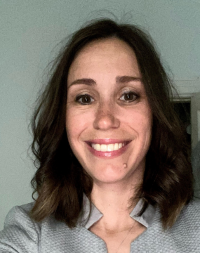
  • Helena Evangeliou

    Helena Evangeliou

    MDCM, MBA, FRCPC

    Pediatrician, Medical Director, Pediatric Medical Day Hospital, Montreal Children's Hospital, MUHC; Assistant Professor, McGill University, Montreal, QC

    Helena Evangeliou

    Dr. Evangeliou is an academic general pediatrician with additional training in pediatric infectious diseases and management. After completing pediatric residency at the Montreal Children’s Hospital, she went on to the CHU Sainte-Justine for a fellowship in pediatric Infectious Diseases and to HEC Montréal for a Master’s in Business Administration (MBA). She then worked at CHU Sainte-Justine for several years, then re-joined the Montreal Children’s Hospital in 2020 where she is an attending on the wards, the Medical Day Hospital as well as in the outpatient setting (Multicultural Clinic and Infectious Diseases). Currently, she is the Medical Director of the Pediatric Medical Day Hospital (MDH) where her focus is on building partnerships within and beyond the division of General Pediatrics in order to optimize the service offer of the MDH. Finally, she has been involved in initiatives aimed at improving patient flow and processes throughout the hospital and has a particular interest for antibiotic stewardship in both inpatient and outpatient settings.---

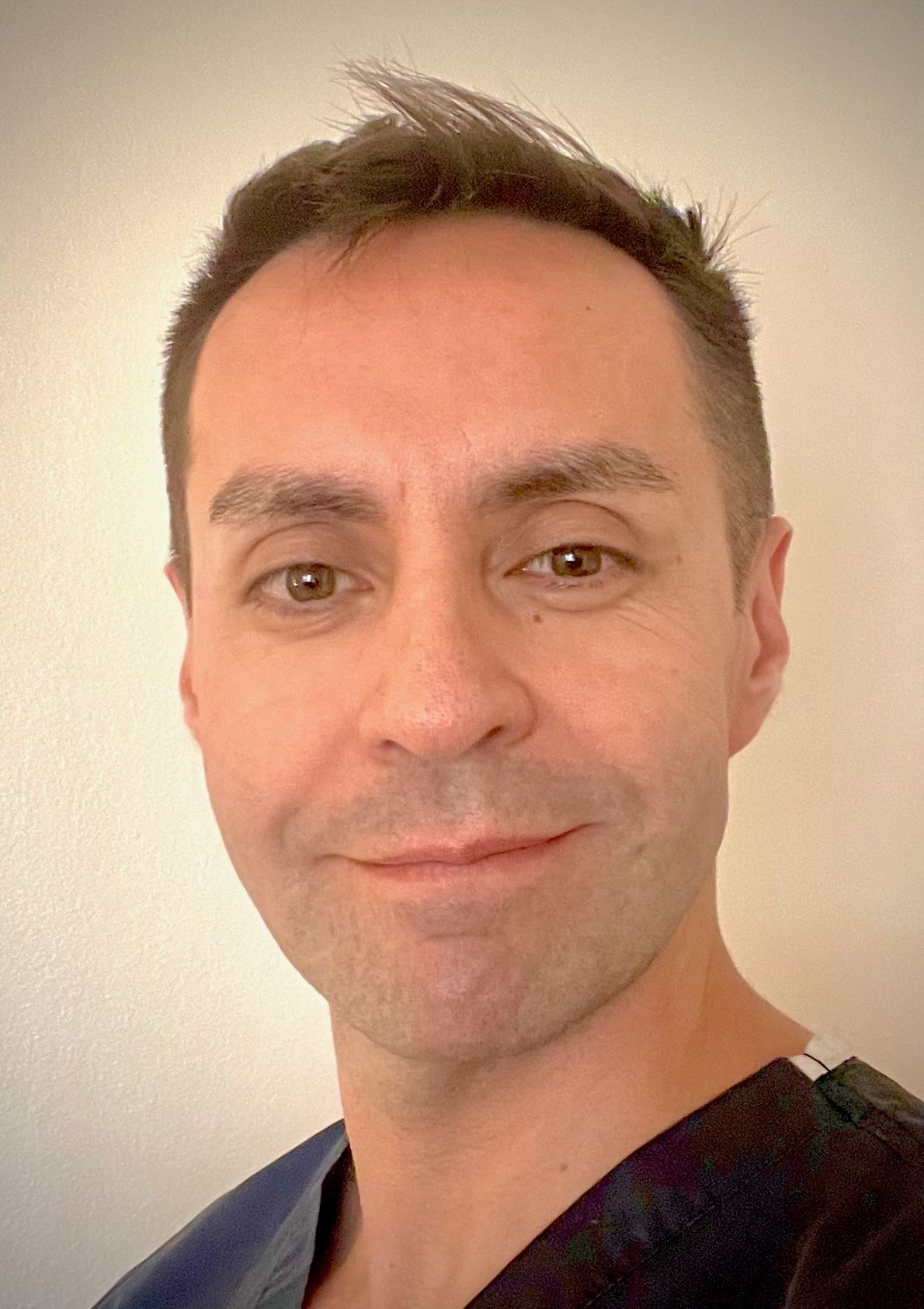
  • Chi-Minh Phi

    Chi-Minh Phi

    MD, FRCP(C)

    Pediatrician, Program Head - Northern and Indigenous Child Health Program, Montreal Children's Hospital, MUHC; Assistant Professor of Pediatrics, McGill University, Montreal, QC

    Chi-Minh Phi

    Dr. Phi did his medical school training at Dalhousie University and completed his residency in General Pediatrics at McGill University. Currently, he divides his clinical responsibilities between acting as a liaison consultant pediatrician to the Cree Territory of James Bay and as a community practitioner in the West Island. He holds a position as assistant professor at McGill. This year, he takes on new roles as Director of the Northern and Indigenous Child Health Program at the Montreal Children’s Hospital as well as Co-Chair of this year’s edition of Practical Problems in Pediatrics.

  • John Yaremko

    John Yaremko

    MD, FRCPC

    Pediatrician, Montreal Children's Hospital, Assistant Professor, McGill University, Montreal, QC

    John Yaremko

    Dr. Yaremko obtained his medical degree from McGill University in 1980 and completed his training in pediatrics at the Montreal Children’s Hospital, McGill University. He has worked in the emergency department and on the clinical wards at the Montreal Children’s Hospital and he continues to be involved in CME events at the Children’s and at McGill University. He is co-director of the annual Practical Problems in Pediatrics conference at McGill University and he also organizes annual conferences on GI and Nutrition, ADHD and Immunization and Prevention. He is also assistant professor in the Department of Pediatrics and the Department of Family Medicine at McGill University.

  • David Rothstein

    David Rothstein

    MDCM, CCFP

    Assistant Professor, Department of Family Medicine, McGill University, Montreal, QC

    David Rothstein

    Dr. Rothstein graduated from McGill Medicine and completed his Family Medicine training at St. Mary’s Hospital in Montréal. He currently holds an associate teaching position with McGill University’s Department of Family Medicine, and acts as the Médecin Responsable at Elna Pediatrics Club TinyTots Decarie.

  • Earl E. Rubin

    Earl E. Rubin

    MD, FRCPC

    Division Director, Pediatric Infectious Diseases, Montreal Children’s Hospital, Montreal, QC

    Earl E. Rubin

    Earl E. Rubin is a consultant in Pediatrics Infectious Diseases, and a Clinical Microbiologist, as well as an attending physician in General Pediatrics at the Montreal Children’s Hospital (MCH). Earl is an Associate Professor in Department of Pediatrics and in the Department of Laboratory Medicine, Division of Microbiology at the MUHC. He is the Division Director, for the Division of Pediatric Infectious Diseases at the Montreal Children’s Hospital, as well as the Section Head for Medical Bacteriology for the McGill University Health Centre (MUHC). In addition, previously he served as the Program Director of McGill University’s Pediatric Infectious Residency Program at the MCH for 23 years (1995-2018), as well as the Medical Education coordinator for Pediatrics for the McGill family medicine residents (1996-2010). Earl Rubin earned his Medical degree from McGill University. He conducted his residency training in Pediatrics at the MCH and did fellowships in Pediatric Infectious Diseases and Medical Microbiology at McGill University and Hôpital Sainte-Justine/Université de Montréal. Dr. Rubin is certified by the Royal College of Physicians and Surgeons of Canada in three specialities: Pediatrics (1991), Pediatric Infectious Diseases (1992), and Medical Microbiology (1993).---

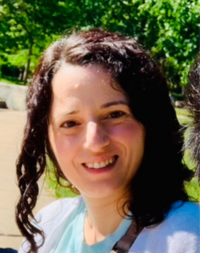
  • Terry Sigman

    Terry Sigman

    MD, FRCPC

    Director, Division of Pediatric Gastroenterology, Montreal Children's Hospital, MUHC, Montreal, QC

    Terry Sigman

    Terry Sigman completed her Pediatric residency and Pediatric Gastroenterology fellowship at McGill University. She is presently the Director of the Division of Gastroenterology at the Montreal Children’s Hospital, McGill University Health Centre, where she cares for patients with intestinal and liver disease both in the inpatient and outpatient setting. Her particular clinical interests are in children with Inflammatory Bowel Disease, Celiac Disease and polyposis syndromes. She is also the Director of Continuing Professional Development for the Department of Pediatrics and Director of the Physician Apprenticeship Course, Faculty of Medicine, McGill University.